
Photobiomodulation FAQs in Wesley Chapel Massage: Benefits and Timelines

What Photobiomodulation Can Do for Your Body This Summer
Photobiomodulation is a type of red and near-infrared light therapy that works with your body, not against it. It uses gentle, noninvasive light to support cellular energy, tissue repair, and calmer inflammation, so your body has a little extra support while it heals. Think of it as giving your cells a friendly nudge so they can do the repair work they already know how to do.
Here in Wesley Chapel, warm weather and long days mean more walking, pickleball, gym time, travel, and time on the road. All that activity is great, but it can also mean tight shoulders, tired legs, and skin that has seen a lot of sun. Photobiomodulation can be a helpful tool for quicker muscle recovery, easing tension from travel or desk work, and supporting the skin that feels stressed or overworked.
At our massage and wellness studio, we pair this light therapy with hands-on bodywork, halotherapy in our Himalayan salt room, infrared sauna, and lymphatic drainage. When you stack these services in a thoughtful way, you can support body, mind, and spirit in a very grounded, practical way, not a hype-filled one.
How Photobiomodulation Actually Works in Your Cells
To keep it simple, your cells have tiny power plants inside them called mitochondria. These power plants make ATP, which is the energy your body uses for almost everything: healing, circulation, tissue repair, and normal daily function. Red and near-infrared light are absorbed by parts of those mitochondria and help them make ATP more efficiently.
This is not the same as a hot laser or a burning procedure. Photobiomodulation does not cut, does not burn, and does not heat tissue to extreme temperatures. The light gently triggers biochemical changes, helping to lower oxidative stress and giving your cells better conditions for repair and recovery.
In a massage and wellness setting, common focus areas include:
Neck and shoulders that feel tight from screens or driving
Low back that gets cranky after standing or sitting too long
Joints like knees, hips, and wrists that feel stiff
Muscles after a workout, sports, or long travel days
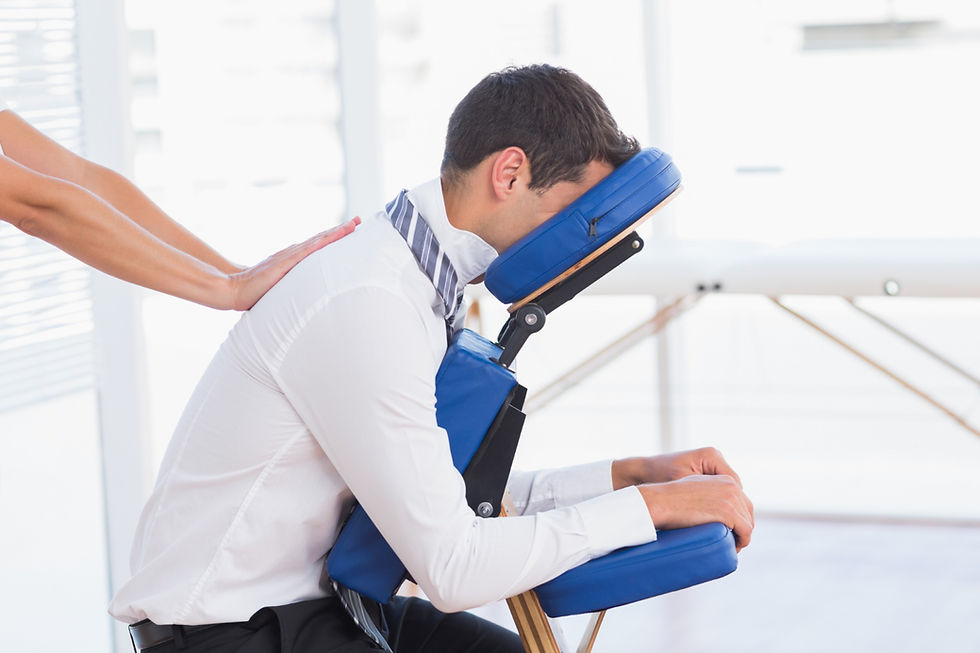
When we use light therapy around the same time as therapeutic massage, the two can work well together. Massage helps relax soft tissue, ease muscle guarding, and support circulation. The light then supports the cells inside those tissues as they repair and rebuild.
Evidence-Based Benefits You Can Realistically Expect
Research on red and near-infrared light therapy points toward several steady, realistic benefits. While every body is different, many people use photobiomodulation to support:
Reduced muscle soreness after activity
More comfortable joints during daily movement
Better local circulation in treated areas
Support for tissues stressed by tension or overuse.
There are also areas where research is growing, but still developing. These include support for skin rejuvenation, mood balance, and sleep quality. Early findings are encouraging, but it is honest to say that some of these benefits are still being explored and may not show up the same way for everyone.
One of the biggest things to understand is timing. Photobiomodulation is not a magic “one and done” fix. For most people, changes feel gradual and build over multiple sessions. You might notice small wins first, like waking up with a little less stiffness, or recovering from a workout with less soreness. When paired with regular therapeutic massage and other bodywork, the results can feel deeper and longer lasting, because you are caring for both the tissues and the cells.
Session Timelines, Frequency, and What Results Feel Like
Your timeline depends on what you are working on and how long it has been an issue. In general:
Short-term muscle soreness: some relief in the first few sessions
Ongoing joint tension or posture patterns: a few weeks of steady care
Long-standing or performance goals: several weeks to months of consistent work
During a photobiomodulation session, most people feel relaxed and at ease. You may notice a gentle warmth or nothing at all, which is normal. Afterward, people often describe:
Less stiffness or “creakiness” in certain joints
Easier range of motion, like turning the head more comfortably
Quicker recovery after a workout or active weekend
A general sense of calm or “lightness” in the treated area.
For acute issues, we may suggest starting with more frequent sessions each week, then slowly spacing them out as your body settles. For longer-term support, a consistent rhythm, similar to a regular massage schedule, can work well. At our studio, your therapist looks at your health history, goals, daily activities, and other services you enjoy, then builds a plan that feels realistic for your life.
Smart Questions to Ask Your Wesley Chapel Therapist
Good questions help you get better results. Before starting photobiomodulation in Wesley Chapel, you might ask your therapist:
What wavelengths does your device use, and why those?
Which areas of my body are you planning to treat first?
How long will each area be under the light?
How will you pair light therapy with massage or lymphatic drainage for my needs?
It is also smart to cover safety and suitability. Ask things like:
Is this safe with my medications or skin sensitivities?
What if I have a history of migraines or strong reactions to bright light?
Is it appropriate after recent surgery or an injury my doctor is watching?
Lifestyle questions matter too, especially in a busy, warm-weather area where people are active year-round:
How should I time sessions around sports, workouts, or long drives?
Do I need to do anything special with hydration before or after?
Are there stretches or gentle movements that go well with this therapy?
Your therapist can then shape your sessions around real life, not just a theory or a generic protocol.
Safety, Side Effects, and Who Should Be Cautious
When used by trained professionals with proper equipment, photobiomodulation has a strong safety record. Eye protection is important for certain types of light, and dosing should be matched to your needs instead of using a “more is better” mindset.
Some people notice mild, short-lived effects such as:
Temporary redness or warmth in the treated area
A brief increase in soreness as circulation and cellular activity pick up
Feeling a little tired as the body shifts into repair mode
These effects usually settle on their own, but it is important to mention anything you notice so your therapist can adjust your plan.
Certain people should check with a healthcare provider before booking, including those who are pregnant, dealing with active cancer, living with strong photosensitivity, or managing complex medical conditions. At a professional studio, you can expect a thoughtful intake process that screens for these concerns, along with questions about medications, implants, and skin history.
How Photobiomodulation Fits Into a Wellness Plan at SpotOn
At SpotOn Massage and Wellness in Wesley Chapel, we look at photobiomodulation as one part of a wider wellness toolkit. It blends well with therapeutic massage, our Himalayan salt room, infrared sauna, and lymphatic drainage, so we can support your system from several angles at once.
A visit might look like this:
Light therapy before massage to prep tight areas so hands-on work feels smoother
Massage first, then light, to “lock in” the relaxed state of the muscles
Sauna and salt room with light therapy on specific joints or muscles to support circulation, relaxation, and a sense of clear breathing
Lymphatic drainage with gentle light on areas that feel heavy, puffy, or sluggish
Instead of chasing quick fixes, we aim to create plans that help you feel more resilient and comfortable as your schedule ramps up. With thoughtful pairing of services and realistic expectations, photobiomodulation can become a steady, supportive part of your wellness routine, helping you move through long, active days with more ease and energy.
Experience Targeted Relief With Advanced Light Therapy
Discover how our personalized sessions using photobiomodulation in Wesley Chapel can support recovery, reduce discomfort, and help you feel more at ease in your body. At SpotOn Massage and Wellness, we take the time to understand your goals so we can tailor each visit to what you need most. If you are ready to explore how this gentle, noninvasive therapy can fit into your wellness routine, reach out through our contact us page to schedule your appointment or ask questions.


Comments