
Understanding How Red Light Therapy Supports Muscle Recovery

Muscle recovery doesn't always happen on its own. It usually needs time, space, and the right kind of help. Whether someone is dealing with post-workout soreness, recovering from surgery, or just trying to move better after a long week, it often comes down to giving the body real support instead of pushing through pain. For many people in Wesley Chapel, finding relief through gentle methods makes all the difference. That’s where RLT therapy in Wesley Chapel can be part of the support process. It’s one of those therapies that’s easy to overlook until you experience the way it calms the body and helps ease tightness right where it's needed.
What Red Light Therapy Actually Does
Red light therapy uses low-level wavelengths of light to reach the outer layers of your skin. Even though the light is visible, it doesn’t burn or cause pain. At SpotOn Massage and Wellness in Wesley Chapel, Florida, the red light therapy room uses FDA Class II Medical approved lighting to keep sessions gentle while still supporting recovery. In fact, it feels more like a soft, steady warmth. It's not about heating the body like a sauna, but more about gently encouraging the body to release tension and inflammation in tight or sore areas.
During recovery, muscles often stay stiff where they’ve been overused or overworked. This kind of therapy gives those areas a break and reminds the body to bring more circulation to places that need a little extra attention. It has been shown to promote faster healing in strained joints, ligaments, muscles, and tendons, and to reduce edema and inflammation that can make movement uncomfortable. Even after a short session, many people notice that the tight pull around shoulder joints, back muscles, or the backs of their legs starts to soften.
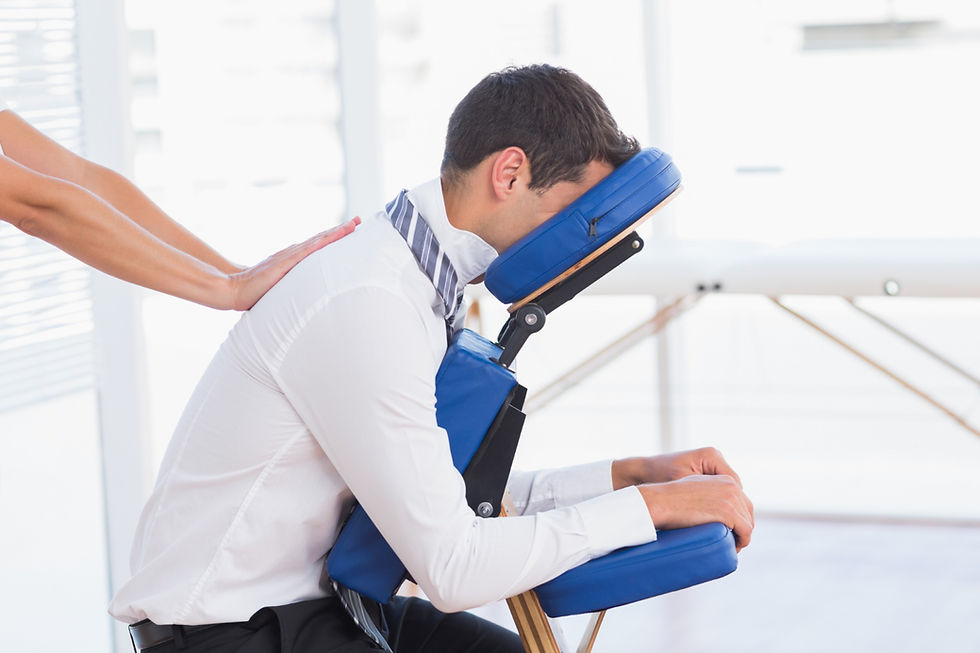
Unlike massage, red light therapy doesn’t require physical pressure. That can be especially helpful when touch is uncomfortable or not yet recommended. The light doesn’t push or prod. It just gives the thin layers of tissue enough of a signal to start softening and bouncing back.
Why Slower Recovery Can Happen This Time of Year
Even though Wesley Chapel stays mild through most of winter, cooler mornings still affect the way we move. People stay under the covers for a little longer. They delay their workouts or spend more time driving and sitting than stretching or walking. Over time, that stillness leaves muscles a little more locked-in than usual.
When activity drops, circulation can slow down too. That’s why this time of year often feels stickier when it comes to recovery. It’s just easier to stay stiff than it is to move easily again. Small aches take longer to fade. Soreness doesn’t pass as fast.
Supportive care, like red light therapy, helps bring bodies back to where they need to be. It’s not a quick fix, but it does work nicely alongside motion, hydration, and rest. Gentle, consistent care over time creates more space for muscles to loosen without forcing the issue.
Red Light Therapy as Support After Liposuction
After liposuction, muscles and skin can feel tender for weeks. There’s often swelling, changes in how the body carries weight, and sensitivity in areas that are still adjusting. That’s where softer recovery approaches matter most.
Red light therapy offers a hands-off way to support healing without touching areas that are still sore. The light can be placed near or around the body, reaching tissue gently without disturbing incisions or bruising. Sessions don’t require any direct pressure, and the intensity can be adjusted to match what feels best.
People often need something flexible while their body balances itself again. That’s why red light can be part of the early healing phase alongside rest, calming foods, and slow, mindful movement. If the body isn’t quite ready for massage but still craves relief, this is an option that says, “Start here.”
Combining Red Light with Other Massage Options
Red light therapy doesn’t need to stand alone. In fact, it can work best when combined with other gentle techniques that keep the body soft and supported. Once the most intense soreness or swelling has faded, it’s helpful to bring in other types of massage therapy to keep progress steady.
Here are a few ways people mix care:
Pairing light therapy one day with lymphatic drainage the next
Rotating between red light and a relaxation massage weekly
Using red light right before a targeted trigger point session to warm up tight areas first
These combinations allow the body to ease into deeper work without overwhelming it. At SpotOn Massage and Wellness, people can receive full-body or specifically focused red light therapy during a massage session, a Himalayan Salt Canyon session, an anti-aging facial, or an Infrared Sauna session with chromotherapy, so care can match what their muscles need most that day. Every person responds differently, so having options matters most. What feels gentle this week might give way to something more focused later on. The idea is to stay connected to how your muscles are reacting and shift the plan when it makes sense.
A Better Way to Recover, One Step at a Time
When we stop pushing and start listening, the body finds its own way back. Recovery isn’t rushed. It’s shaped by small decisions over time, taking breaks, loosening tight areas, and trying therapies that feel calming instead of forceful.
Red light therapy offers space for that kind of process. It’s not about changing everything at once. It’s about making things less painful so movement feels possible again. Especially after surgery or during slow seasons when tightness tends to linger, having steady options to support the body’s healing rhythm makes a small difference that adds up.
Curious about gentle therapies that support natural recovery? At SpotOn Massage and Wellness, we know that the body heals best when it gets space and steady care after surgery or intense workouts. Many clients in Wesley Chapel have discovered that adding a quiet, low-impact option like RLT therapy in Wesley Chapel makes it easier to get moving without pushing too hard. We keep our approach flexible so you can tune in to what works for you each step of the way. Contact us to discuss the support you need in your recovery plan.


Comments