
Is a Himalayan Salt Room Session Right for Your Respiratory Health?
- Spotonmassage

- 5 days ago
- 5 min read
Breathe Easier This Summer with Natural Salt Support
Breathing can feel harder in summer, especially in Florida. The humidity, long days outside, extra time in theme parks, and travel all add up. Pollen, dust, and changing air quality can leave your chest tight and your sinuses stuffy. Many people start searching for gentle ways to help their lungs feel clearer and calmer.
Himalayan salt room therapy is one option some people try when they want natural support. It is a relaxing, spa-style service that uses tiny salt particles in the air. While it is not medical treatment and does not replace your doctor’s care, it can be a soothing complement to your wellness routine. Our goal here is to help you understand how it works so you can decide if a session might fit your respiratory needs.
How Himalayan Salt Room Therapy Supports Your Lungs
Halotherapy, or dry salt therapy, is a simple idea. A special machine, called a halogenerator, grinds pharmaceutical-grade salt into very fine particles and gently releases them into the air. You sit back, relax, and breathe normally while the salt moves through the room.
As you breathe in, the salt particles may reach your nose, throat, and lungs. Many people feel that this:
Helps thin mucus so it moves out more easily
Supports the body’s natural cleansing processes in the airways
Feels soothing to irritated or scratchy passages
Encourages slow, deeper breathing and relaxation
Some guests share that they notice easier breathing, less stuffiness, or a calming effect after their time in the salt room. Early research and a growing number of wellness professionals are exploring how salt therapy may support people who deal with:
Seasonal or environmental allergies
Mild asthma, under a doctor’s guidance
Frequent sinus congestion or post-nasal drip
Airway irritation from travel, pollutants, or frequent colds
It is important to keep expectations realistic. Halotherapy is considered a complementary wellness service. If you have a diagnosed respiratory condition, like asthma or COPD, your primary care provider or specialist should stay in charge of your treatment plan. Salt room sessions are something you can ask your provider about as an add-on, not a substitute.
What to Expect in a Himalayan Salt Room Session
For many people, the first question is, “What is it actually like?” At our center in Wesley Chapel, the salt room is designed to feel calm and restful from the moment you walk in. The lights are soft. Pinkish salt covers the walls, and there is often loose salt on the floor, creating a peaceful, cave-like feel. Comfortable seating or loungers let you sit or recline while you breathe.
A typical session looks like this:
You check in and share any health concerns on your intake form
A team member explains how the halogenerator works and answers questions
You step into the room, settle into your seat, and get comfortable
The halogenerator starts to disperse fine salt particles into the air
You relax, breathe, and rest quietly until the session ends
Most sessions last longer than a quick errand but less than a whole afternoon. Many people wear everyday comfy clothing. You may notice:
A light salty taste on your lips
A mild tickle in your throat or nose
A gentle urge to clear your throat or blow your nose
These sensations are common as your airways react to the dry salt. For first-timers, a few simple tips can make your session feel smoother:
Drink water ahead of time and again afterward
Skip heavy perfume or cologne that could bother other guests
Arrive a little early so you are not rushing and can settle your breath
Close your eyes, breathe slowly, and let your chest and belly soften
Pay attention to how you feel during and after the session
If anything ever feels uncomfortable, you can step out and let a staff member know.
Is a Salt Room Safe for Your Unique Respiratory Situation?
Many adults and teens use Himalayan salt room therapy as support for mild breathing concerns or general wellness, especially during high-pollen months or after travel. You might be a good candidate to try a session if you:
Deal with seasonal stuffiness or allergy flare-ups
Feel congested after flying or long road trips
Want a relaxing space to focus on breathing and de-stress
Are curious about gentle, non-invasive wellness options
There are also times when more care and planning are needed. It is smart to talk with a healthcare provider before using a salt room if you have:
Severe or unstable asthma
Chronic obstructive pulmonary disease (COPD)
Active respiratory infections, like bronchitis or pneumonia
Serious heart conditions or recent major respiratory events
Some people notice mild side effects from halotherapy, such as:
Temporary coughing
Runny nose
Increased mucus or more frequent throat clearing
These can be signs that your body is moving mucus out. But if you ever feel tightness in your chest, strong discomfort, dizziness, or any symptom that worries you, it is important to stop the session. Always follow your doctor’s advice if something feels off.
Combining Salt Sessions with Holistic Wellness Habits
Himalayan salt room therapy often works best as part of a bigger self-care picture, not as a stand-alone fix. Simple daily habits can support easier breathing:
Drinking enough water so mucus stays looser
Using a quality air filter at home if recommended
Practicing gentle breathing exercises that slow your exhale
Staying on top of any prescribed medications or inhalers
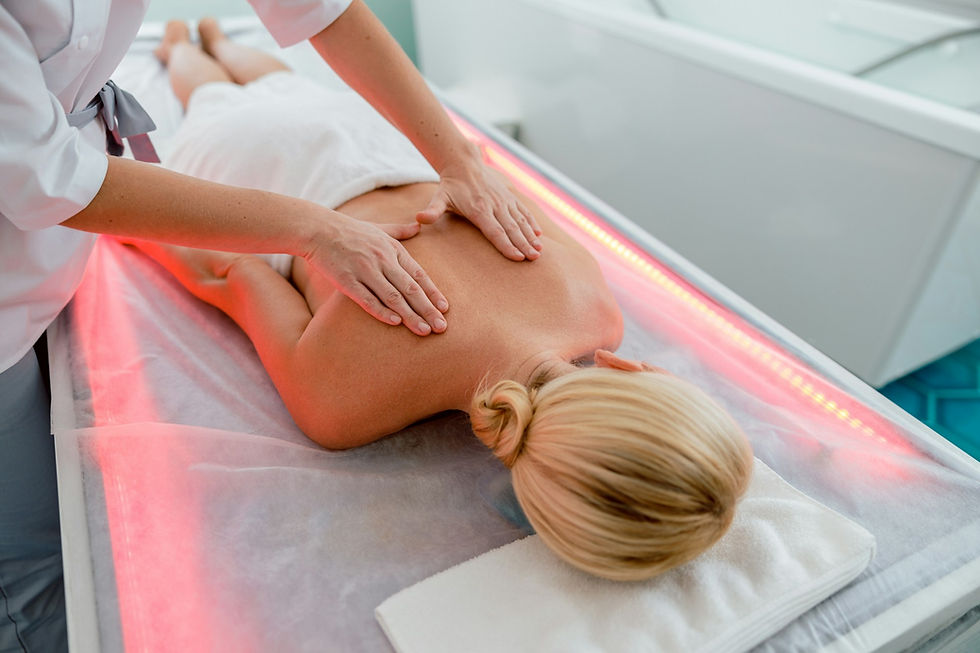
At our wellness center, many guests pair salt room sessions with other services to support how they feel overall. For example, therapeutic massage can ease neck, shoulder, and chest tension that may make breathing feel tight. Infrared sauna time may support circulation and relaxation. Red light photobiomodulation is another way some people support their general wellness.
Seasonal routines can also help. Some people like to:
Book salt therapy before a long flight to feel more prepared
Visit after a long day at a theme park or the beach when the air has felt heavy
Use sessions during peak pollen weeks to support comfort
Add a regular salt room visit into their monthly self-care plan
There is no single “right” pattern for everyone. The key is to notice how your body responds and adjust your routine with guidance from your healthcare provider when needed.
Taking the Next Step Toward Clearer, Calmer Breathing
If you are thinking about Himalayan salt room therapy, it can help to first get clear on your own breathing goals. Maybe you want less sinus pressure when pollen is high. Maybe you want a quiet space to unwind where your lungs feel supported. Or you might simply want to feel more at ease with each breath you take during a busy season.
SpotOn Massage and Wellness offers a peaceful Himalayan salt room along with massage therapy, infrared sauna, and red light photobiomodulation in the Wesley Chapel area. Many guests enjoy creating a full wellness visit by pairing a salt session with bodywork or sauna time for a deeper sense of reset. As you learn more, listen to your body, speak with your healthcare provider when needed, and consider whether this gentle, natural therapy feels like a good fit for your respiratory wellness plan.
Experience the Restorative Benefits of Salt Room Therapy Today
If you are ready to support your breathing, skin, and overall relaxation in a natural way, schedule a session of Himalayan salt room therapy with SpotOn Massage and Wellness. Our team will help you choose the right session length and answer any questions so you feel completely at ease. To check availability or request an appointment, simply contact us and we will follow up with details.


Comments